

Artificial intelligence is reshaping how people search, learn, and make buying decisions. Instead of typing keywords into a search engine and scanning through a list of links, consumers are increasingly turning to conversational AI tools like ChatGPT, Perplexity, and Google’s Search Generative Experience to ask questions directly.
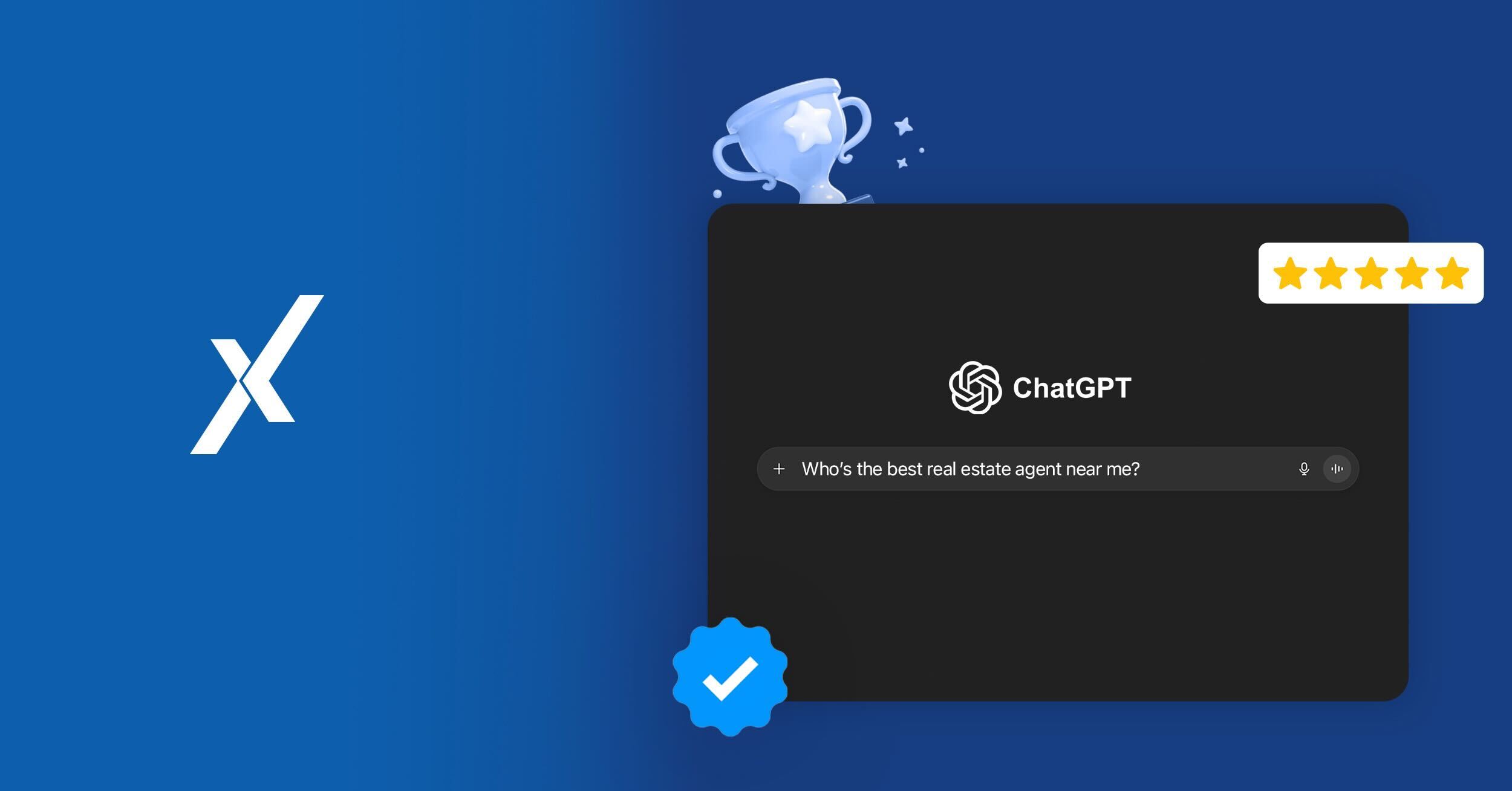
The result? Businesses are no longer competing just for clicks; they’re competing for citations. If ChatGPT or another AI-powered assistant doesn’t reference your business when a potential customer asks, “Who’s the best real estate agent near me?” or “Which local restaurant has top reviews?”, you risk being invisible in the new search era.
The good news: you can influence whether AI tools recognize, trust, and cite your brand. Based on our research, customer use cases, and the best practices we’ve seen in the field, here are the 10 most important things you can do right now to increase your chances of being referenced by ChatGPT and other AI-driven search engines.
1. Verified, Complete Business Profiles
AI tools pull heavily from structured data sources. A half-complete Google Business Profile or missing information on local directories hurts your credibility. Make sure your name, address, phone number (NAP), hours, website, and service details are accurate across every listing.
👉 Pro tip: Experience.com integrates directly with major platforms to keep your listings consistent everywhere — a critical trust signal for AI search.
2. Consistency Across the Web
AI models check multiple sources to verify whether a business is trustworthy. If your address is slightly different on Yelp, Facebook, and your website, the inconsistency creates doubt. Consistent information builds authority and increases the odds of being referenced.
📌 See how your Experience.com profile help you win on local search.
3. High-Volume, Authentic Reviews
When customers ask AI, “Who’s the best roofer in town?”, the model isn’t guessing. It’s weighing review volume and sentiment. The more authentic, recent, and verified reviews you have, the stronger your reputation signals.
This is why review collection is at the heart of the Experience.com Reputation Platform — it’s the clearest way to prove authority in your market.
📌 See how reviews can act as your new ‘content’ for AI Search
4. Authority in Your Niche or Vertical
General authority is helpful, but niche authority is gold. If you’re a healthcare provider, ChatGPT will look for signals that you’re specifically trusted in healthcare, not just generally popular. Publish vertical-specific content (like Google and Facebook posts, resource guides, or patient FAQs) that proves expertise in your industry.
5. Fresh, Updated Website Content
AI models don’t just rely on reviews and profiles — they crawl your website. A stagnant site that hasn’t been updated in years suggests your business may not be relevant. Publish fresh, keyword-rich content consistently.
This can include:
- Thought leadership articles
- Industry updates
- Seasonal/localized content
- FAQs about your services
6. Links From Trusted Sources
If local news outlets, industry associations, or respected blogs link back to your business, AI interprets those links as credibility votes. Even a handful of high-quality backlinks can elevate your authority.
7. Structured Data & Schema Markup
Behind the scenes, structured data (schema markup) helps AI tools understand what your website means, not just what it says. Schema for reviews, products, and services makes your business easier to interpret and more likely to be surfaced in responses.
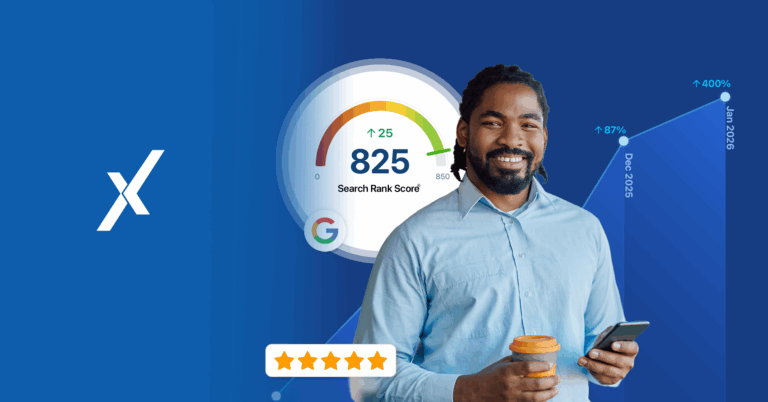
If this feels technical, don’t worry — tools like Experience.com’s Search Rank Score help identify missing schema opportunities.
8. Reputation Beyond Reviews
AI models also pull from media mentions, awards, and recognition. If your business has won “Best of Local” or has been featured in industry press, highlight that on your site and profiles. Recognition is a ranking signal; not just for Google, but for AI tools too.
9. Active Engagement With Customers
AI rewards businesses that demonstrate responsiveness. That includes:
- Replying to reviews (especially negative ones).
- Keeping social media updated.
- Answering customer questions quickly.
Engagement signals show that you’re not just present, but proactive — which builds trust.
👉 Learn how AI Reply from Experience.com helps automate professional, on-brand responses at scale.
10. Community Presence & Local Relevance
AI is hyper-local. If someone in Chicago asks, “What’s the top-rated brunch spot in my neighborhood?”, ChatGPT will prioritize businesses tied to local signals.
That means participating in local events, publishing community content, and optimizing for geo-specific keywords (“best brunch in Lincoln Park”) can increase your reference-worthiness.
Bringing It All Together
The businesses that get referenced by AI aren’t necessarily the biggest, but they are the most trusted, consistent, and visible across digital touchpoints.
- Verified profiles create a foundation.
- Reviews and reputation provide authority.
- Fresh content and niche expertise keep you relevant.
- Engagement and local presence prove you’re active and real.
At Experience.com, we’ve built our Search Rank Platform around these exact principles. By unifying review collection, listing management, and reputation tools in one place, we help businesses improve the same signals AI uses to decide who to cite.
AI is changing how people search, but not the fact that you need to be found.
Generative Engine Optimization (GEO) is how you win the new search. And Experience.com is the platform designed to help you do just that.
✅ Be the answer.
✅ Own your presence.
✅ Win with Experience.com.